Verified China Craft Sourcing
Source porcelain, silk, tea ware, thangka, silver, and regional craft pieces through verified China workshops. We confirm current photos, availability, artisan background, and shipping before fulfillment.
Buy craft with proof, not souvenir guesswork
Many travelers want Chinese craft pieces but cannot tell whether a listing is mass produced, fairly priced, or safe to ship internationally. Curated China turns the collection into a sourcing workflow: city by city, workshop by workshop, with confirmation before money moves to fulfillment.
Product pages may show representative craft references until a current piece is confirmed. Ask for current photos, reserve a sourcing check, or pay in full only after the available piece, customization, packing, and shipping are clear.
Not ready to buy? Many of these craft cities are included in our journeys. Visit workshops, meet artisans, and select pieces in person.
01
Current photos first
We use reference images for discovery, then confirm the real piece or comparable options before fulfillment.
02
Workshop context
Each order is checked against craft origin, maker background, production time, and realistic customization limits.
03
Shipping clarity
We confirm packing, export-sensitive materials, final shipping cost, and tracking before dispatch.
Explore by Heritage City
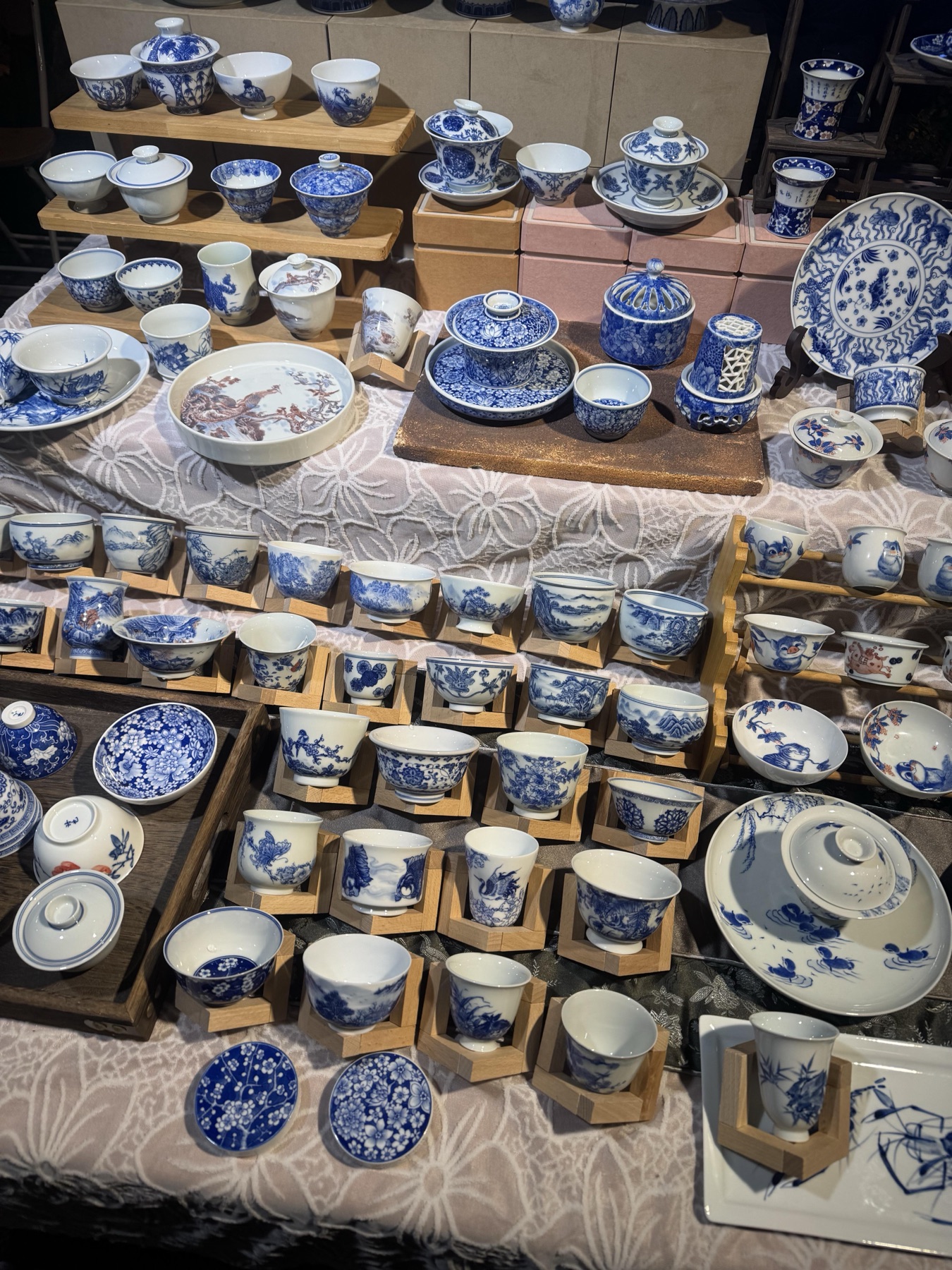
Jingdezhen
The Porcelain Capital of the World
For over 1,700 years, Jingdezhen has been the heart of Chinese porcelain. Imperial kilns supplied the Forbidden City for centuries. Today, master ceramicists here create everything from classical blue-and-white to contemporary studio pieces.
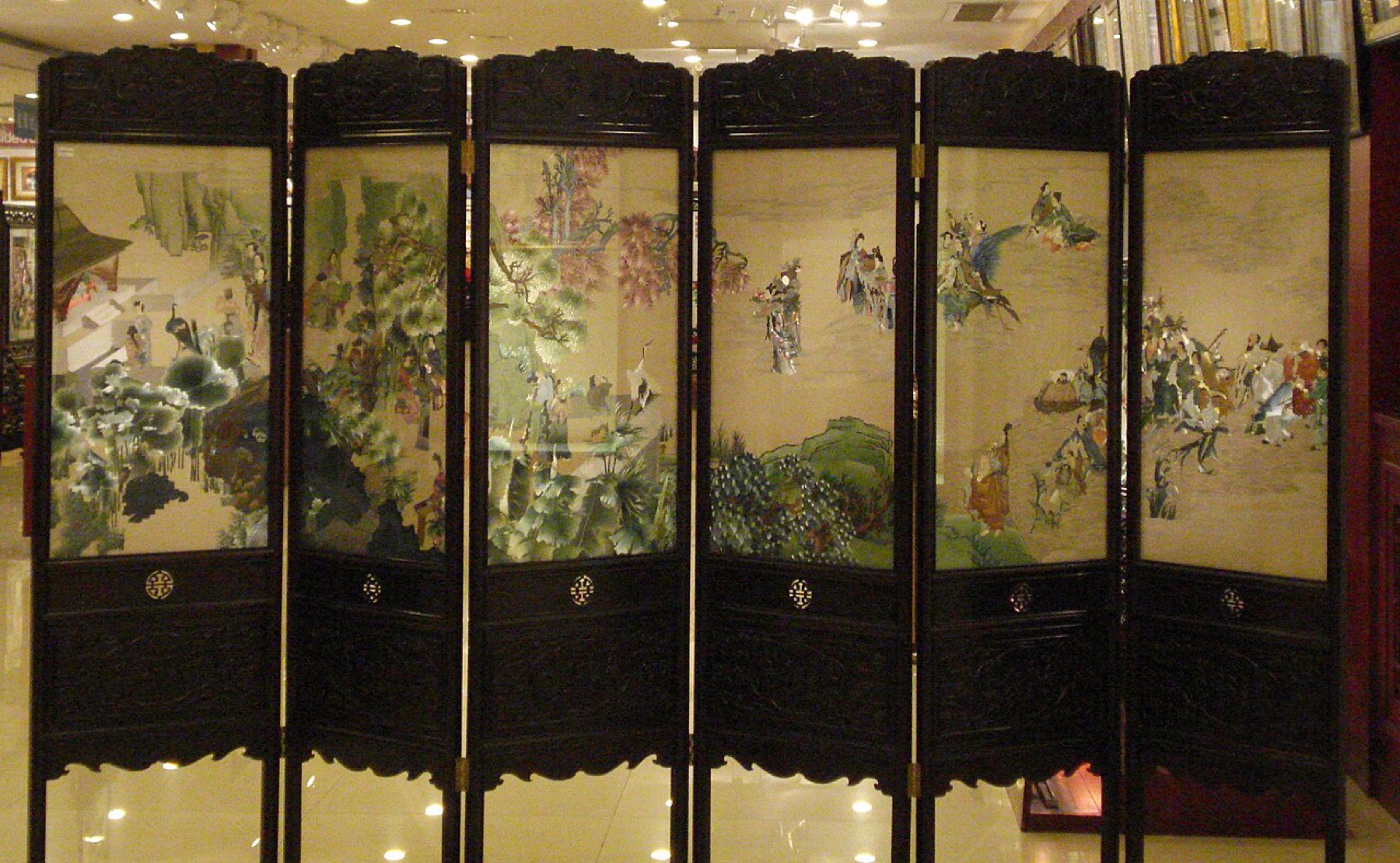
Suzhou
Silk, Embroidery, and Garden Crafts
Suzhou has been the center of Chinese silk and embroidery for over 2,000 years. Su embroidery (苏绣) is one of China's "Four Great Embroideries" — known for its near-photographic detail using silk threads finer than a human hair.
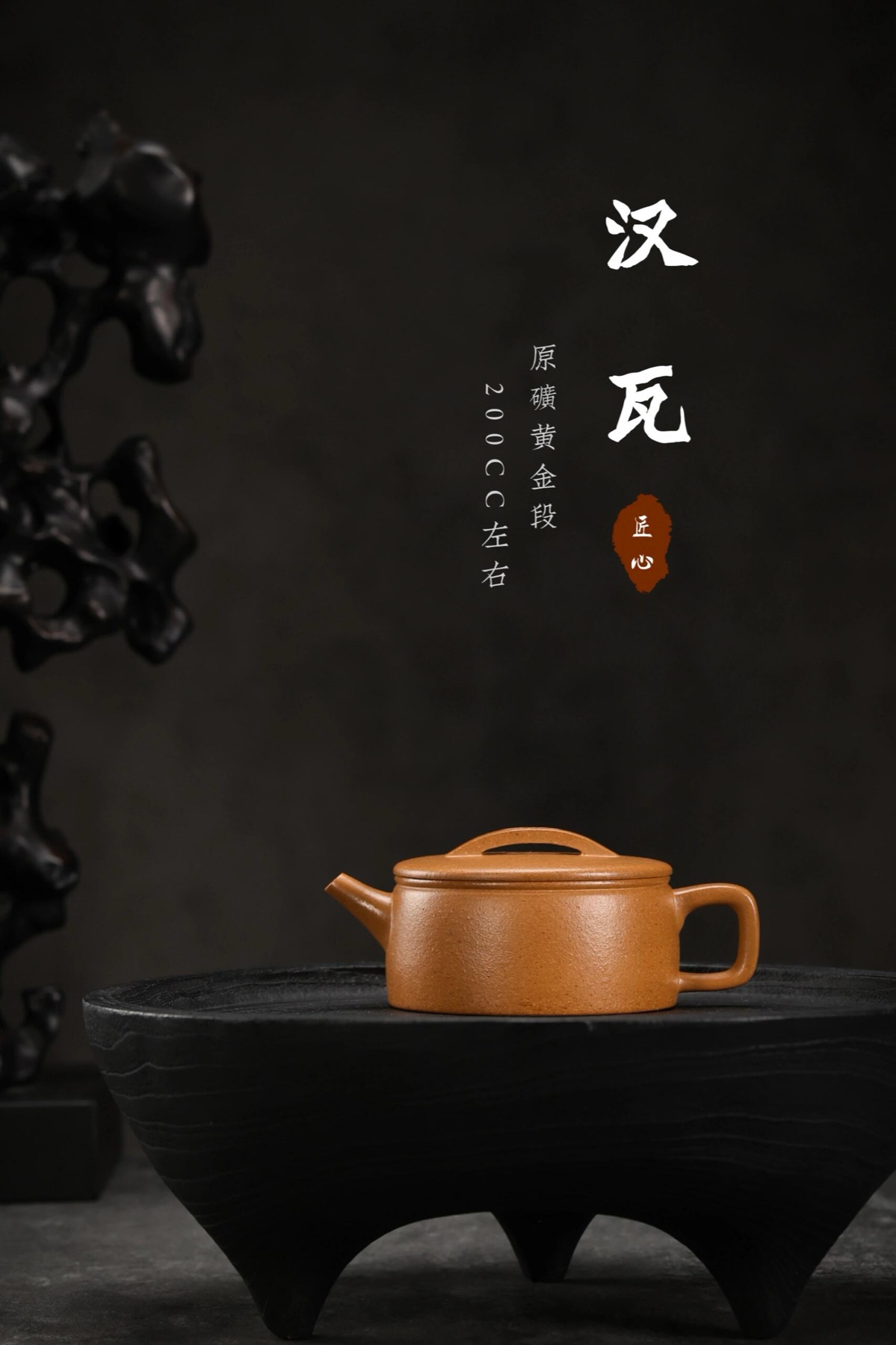
Yixing
The Purple Clay Teapot Capital
Yixing is famous worldwide for one thing: zisha (紫砂, purple clay) teapots. The unique mineral composition of Yixing clay produces teapots that improve with use — they "season" with tea oils over years, eventually brewing tea even with plain hot water.
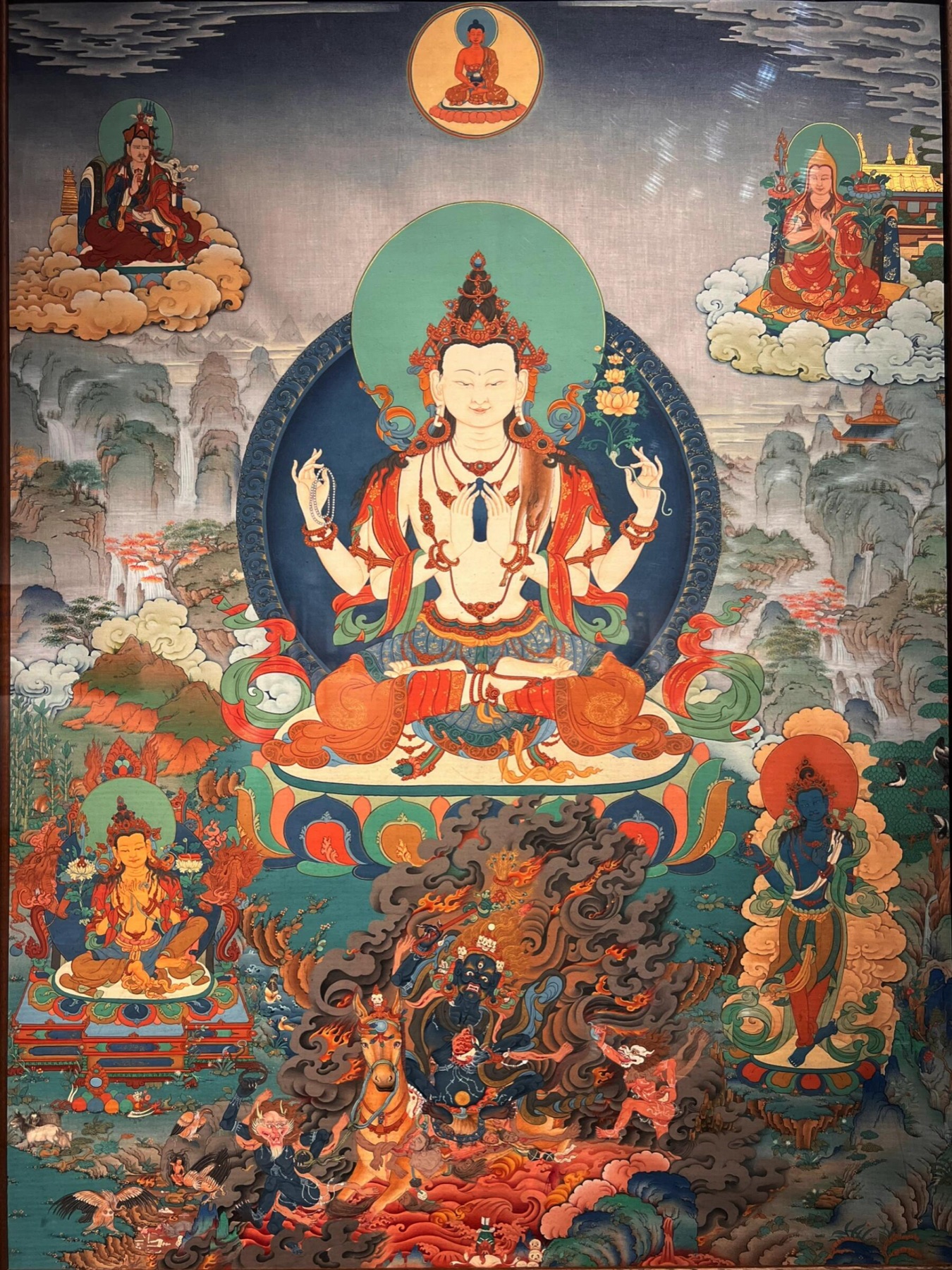
Lhasa
Thangka Paintings and Tibetan Silver
Lhasa is the spiritual and craft heart of Tibet. Thangkas — religious silk paintings often depicting Buddhist deities — have been made here for over a thousand years. Tibetan silver jewelry, prayer beads, and ritual objects are equally distinctive.
Beijing
Imperial Crafts: Cloisonné, Inside-Painted Snuff Bottles, Calligraphy Tools
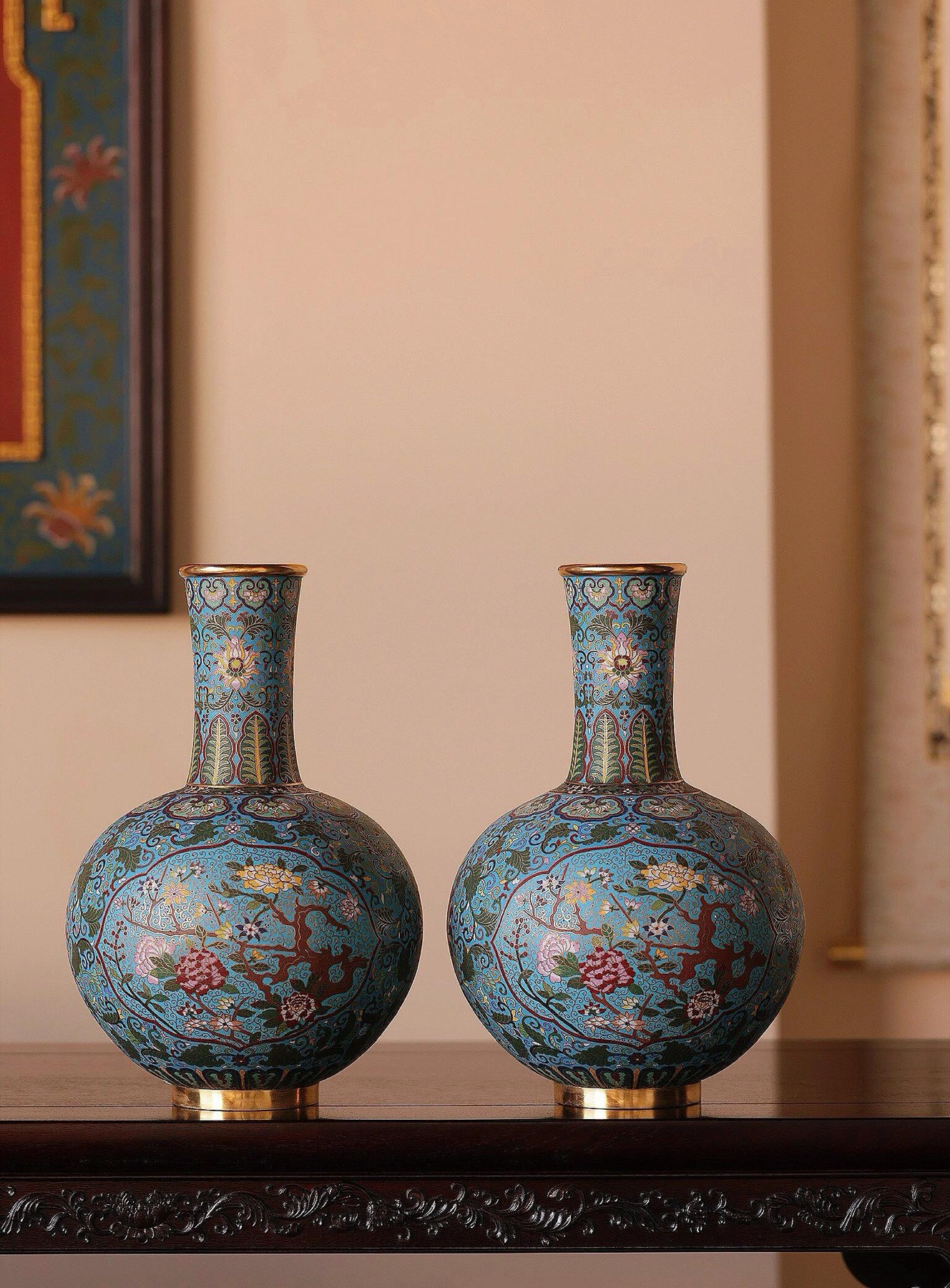
Beijing's craft tradition is deeply tied to the imperial court. Cloisonné (景泰蓝) — enamel work on copper — was perfected here for the Ming and Qing emperors. Inside-painted glass snuff bottles, calligraphy brushes, and ink stones round out a refined collector's shelf.
Xi'an
Tang Dynasty Sancai Pottery and Bronze Replicas
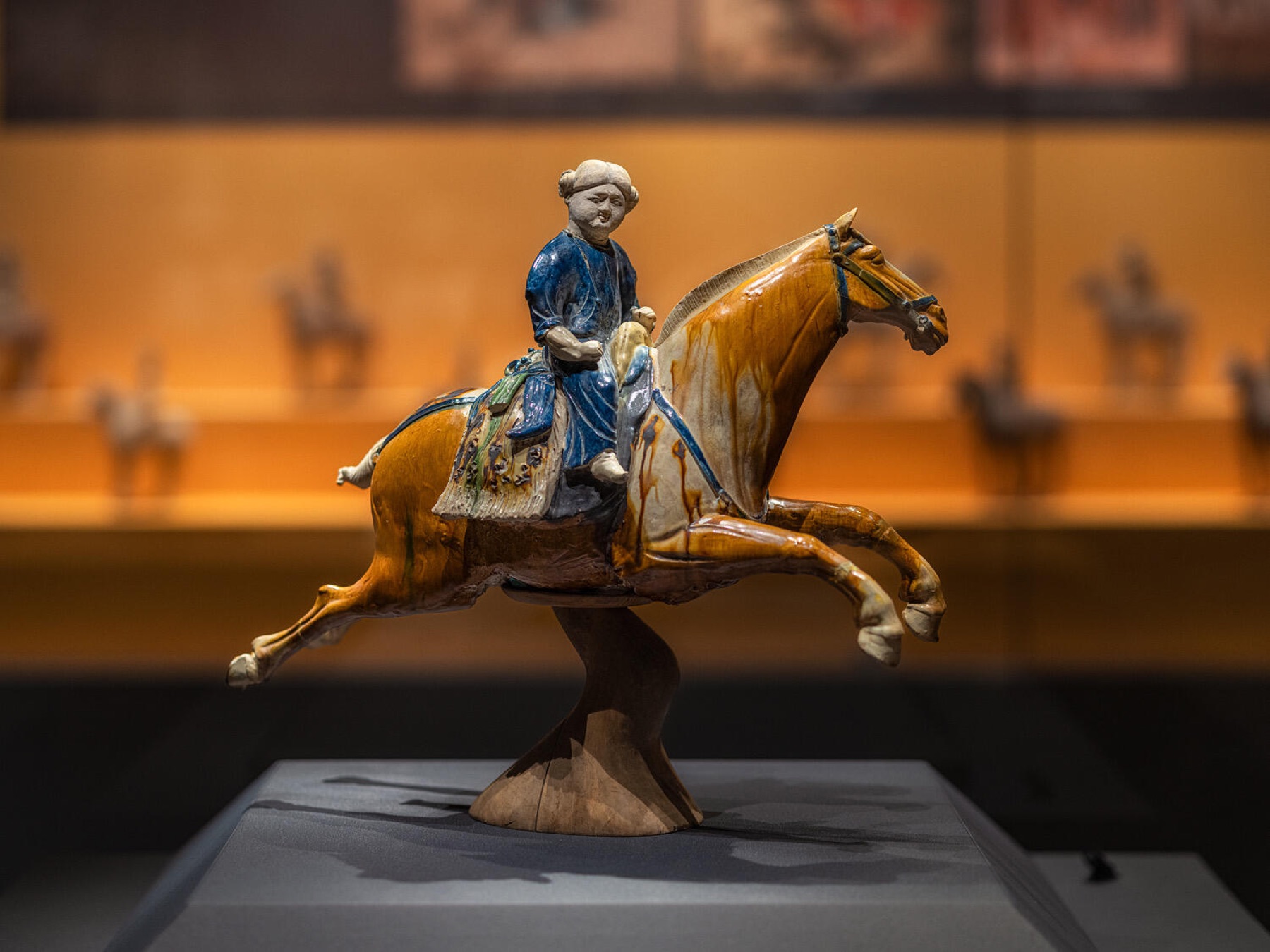
Xi'an, ancient capital of 13 dynasties, specializes in archaeological-grade reproductions: Tang dynasty sancai (three-color glaze pottery), Han bronze replicas, and stone rubbings from Tang stelae. These connect modern travelers directly to the city's 3,000-year history.
Hangzhou
Longjing Tea, West Lake Silk, and Hangzhou Fans
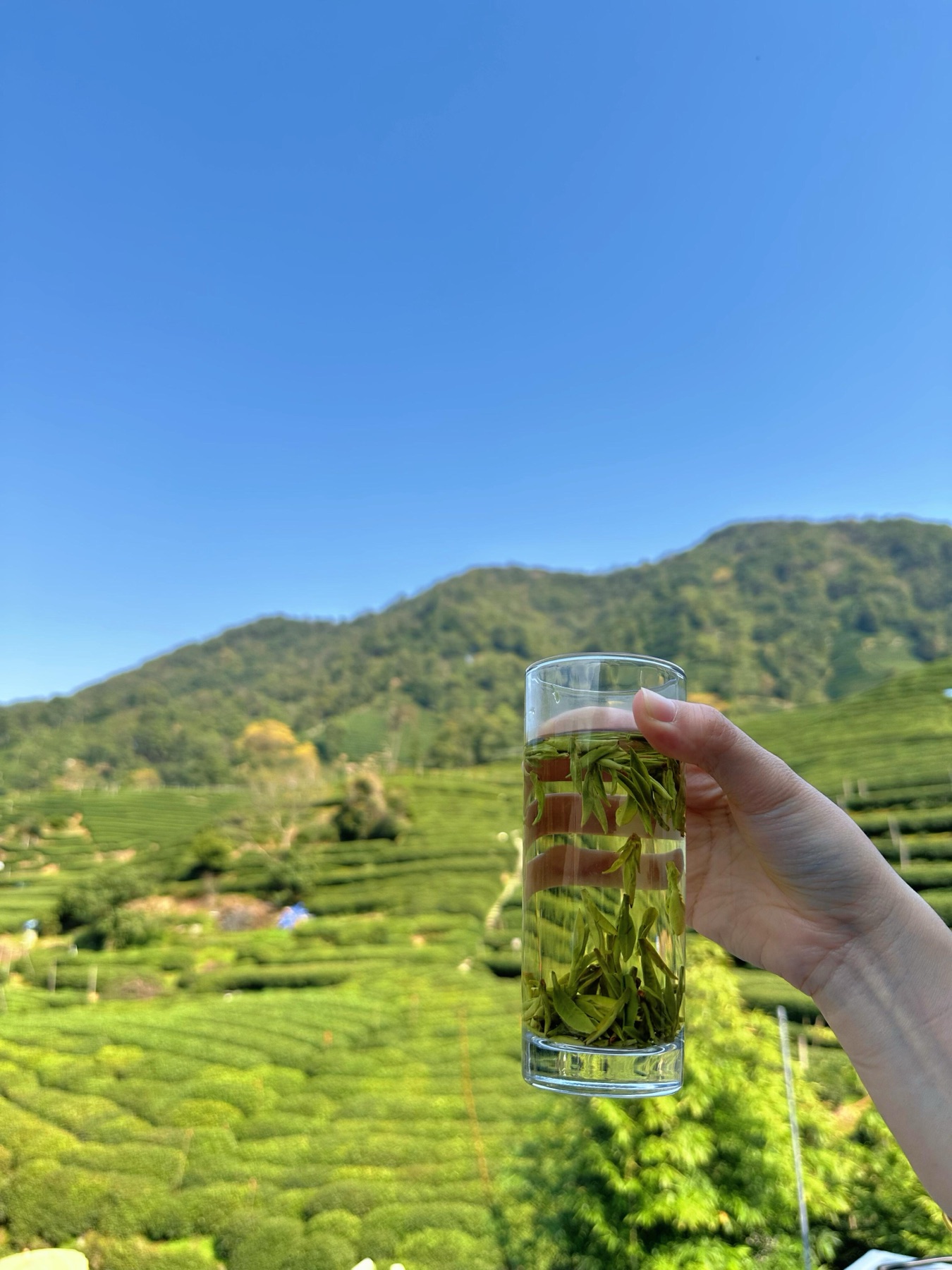
Hangzhou's identity centers on West Lake — and on the products that surround it. Longjing (Dragon Well) green tea, grown on the surrounding hills, is China's most famous green tea. Hangzhou silk and folding fans (made with bamboo and silk) are equally celebrated.
Dali
Bai Silver, Tie-Dye Textiles, and Pu'er Tea
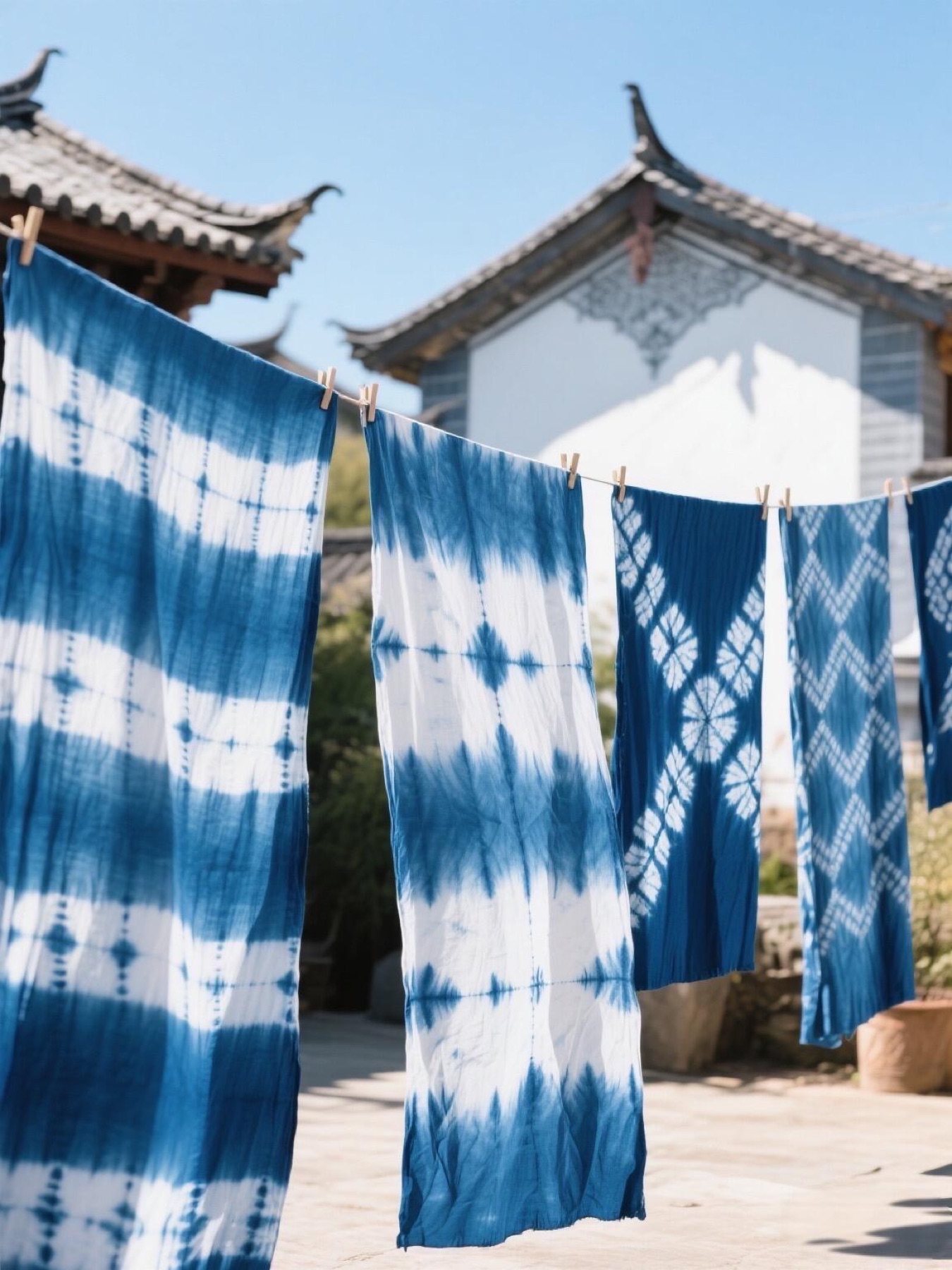
Dali, in Yunnan province, is home to the Bai ethnic minority — and to centuries-old traditions in silver craft, indigo tie-dye, and aged pu'er tea. The crafts here have a different aesthetic than Han Chinese traditions: bolder, more graphic, deeply local.
Questions About Our Collection?
We're happy to answer questions about authenticity, shipping, custom orders, or connecting specific pieces to your journey itinerary.